AC Unit Water Removal in Waynesville, NC
Trusted by 10,000+ Homeowners Across the USA
Don't Let Hidden Water Damage Ruin Your AC Unit in Waynesville, NC
When your air conditioning unit starts leaking water, it's easy to dismiss the issue as minor. But, hidden water damage can quickly spread and become a costly nightmare if not addressed quickly. In fact, water can seep into walls and compromise structural integrity or collect on floors and cause slipping hazards. That's why it's crucial to act fast and call a professional for AC unit water removal before the damage escalates.
With over 165+ five-star reviews from satisfied customers in Waynesville, NC, and surrounding areas, our team has earned a reputation for delivering top-notch service for AC unit water removal. Homeowners choose us because we're locally owned and operated with a deep understanding of the area's unique challenges and our technicians are IICRC-certified to ensure the job is done right.
- We'll extract water from your AC unit and surrounding areas quickly to prevent further damage and reduce costs.
- We use specialized equipment to dry and dehumidify the space to prevent mold growth and bacteria.
- We'll work with your insurance company to ensure a smooth claims process and get you back to normal as soon as possible.
How Our Team Handles AC Unit Water Removal
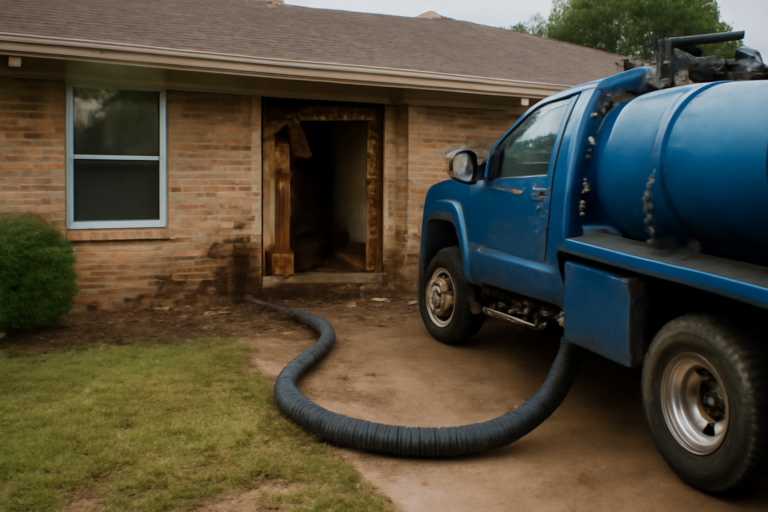
When you call us for AC unit water removal, you can expect a rapid response from our team. We'll send a technician to your location within 60 minutes to assess the damage and begin the process of extracting water and drying the area. Our team uses top-of-the-line equipment, including truck-mounted extractors and industrial fans to get the job done efficiently.
Step 1: Assessment and Planning
Our technician will assess the damage and develop a customized plan to address the issue with the highest level of care and attention to detail. This plan will include a detailed estimate and timeline for completion.
Step 2: Water Extraction
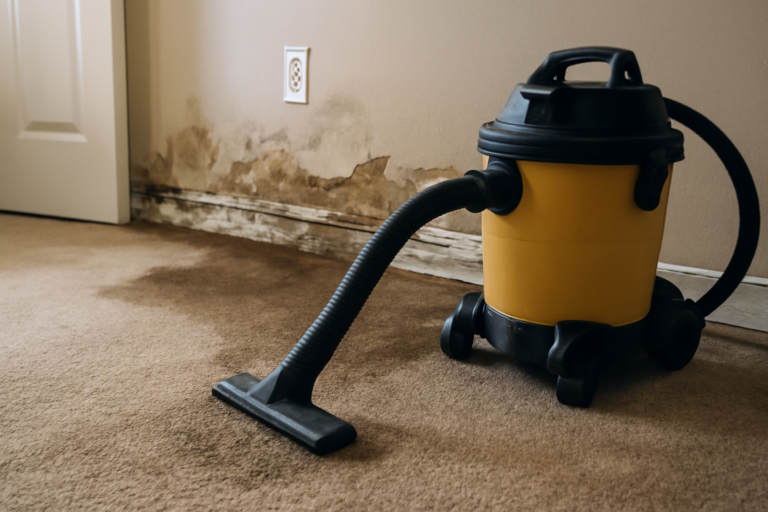
Using specialized equipment, our technician will extract the water from the AC unit and surrounding areas to prevent further damage and reduce costs. This step is crucial in preventing mold growth and bacteria.
Step 3: Drying and Dehumidification
Once the water has been extracted, our technician will use industrial fans and dehumidifiers to dry and dehumidify the space to prevent mold growth and bacteria. This step is critical in ensuring the area is safe and dry.
Step 4: Cleanup and Sanitizing
After the area has been dried and dehumidified, our technician will thoroughly clean and sanitize the space to prevent any remaining moisture from causing further damage. This step is essential in preventing mold growth and bacteria.
Step 5: Final Inspection and Completion
Our technician will conduct a final inspection to ensure the area is safe and dry and that all damage has been mitigated. Once satisfied, our technician will provide a certificate of completion and ensure that all necessary documentation is completed.
Don't wait until it's too late, call us today to schedule a rapid response and expert AC unit water removal service to prevent further damage and reduce costs.

Warning Signs You Need AC Unit Water Removal
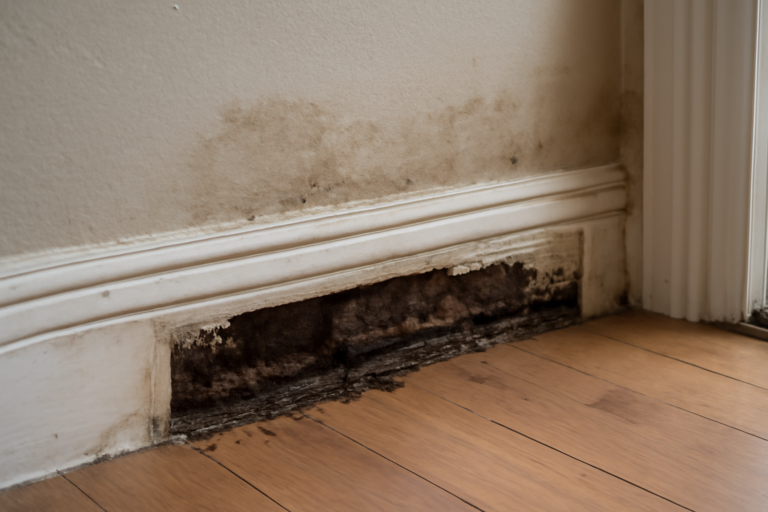
Ignoring warning signs can lead to costly repairs and even health risks from mold growth and bacteria. Here are some common signs that show you need AC unit water removal:
Musty Odors That Won't Go Away
Strong musty odors can be a sign of hidden water damage that's creating an environment for mold growth and bacteria. If you notice a persistent musty smell, it's essential to investigate further.
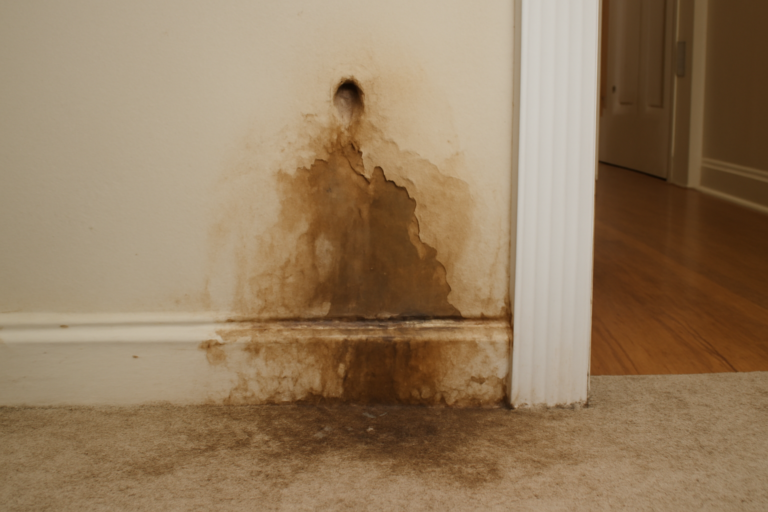
Water Stains on Walls or Ceilings
Water stains on walls or ceilings can be a sign of hidden water damage that's compromising structural integrity. If you notice water stains, it's crucial to act fast.
Slipping Hazards on Floors
Slipping hazards on floors can be a sign of hidden water damage that's creating a slipping hazard. If you notice slipping hazards, it's essential to address the issue quickly.
Unusual Noises from Your AC Unit
Unusual noises from your AC unit can be a sign of hidden water damage that's causing mechanical issues. If you notice unusual noises, it's crucial to investigate further.
Higher Than Usual Utility Bills
Higher than usual utility bills can be a sign of hidden water damage that's causing increased energy consumption. If you notice higher than usual utility bills, it's essential to investigate further.
AC Unit Water Removal vs. DIY: When To Call a Professional
| Situation | DIY? | Call a Pro? | Why |
|---|---|---|---|
| Small water leak from AC unit | Yes | No | Most DIYers can handle small water leaks, but it's always a good idea to check with a professional if you're unsure. |
| Large water leak from AC unit | No | Yes | Large water leaks need specialized equipment to extract and dry the area, and can cause significant damage if not handled properly. |
| Water damage to surrounding areas | No | Yes | Water damage to surrounding areas needs specialized equipment and expertise to prevent further damage and ensure the area is safe and dry. |
| Musty odors or water stains on walls or ceilings | No | Yes | Musty odors and water stains can be a sign of hidden water damage, and need professional attention to prevent further damage and health risks. |
Remember, with AC unit water removal, it's always better to err on the side of caution and call a professional if you're unsure or notice any of the warning signs mentioned above to prevent further damage and health risks.
AC Unit Water Removal Cost In Waynesville, NC
The cost of AC unit water removal can vary depending on the severity of the damage, size of the affected area, and local conditions in Waynesville, NC. Here are some estimated price ranges for common services:
| Service | Typical Price Range | What Affects Cost |
|---|---|---|
| Water extraction and drying | $500 - $2,500 | Size of affected area, severity of damage |
| Cleanup and sanitizing | $200 - $1,000 | Size of affected area, type of surface |
| Equipment rental and usage | $100 - $500 | Duration of job, type of equipment |
| Insurance claims help | $50 - $200 | Severity of damage, complexity of claim |
Keep in mind that these are estimated price ranges, and the final cost will depend on an on-site assessment and free estimate from our team to ensure you receive the best possible service at a fair price.
Service Areas Near Waynesville, NC
We serve the following nearby communities:
Haywood County, NC, Macon County, NC, Swain County, NC, Jackson County, NC, Transylvania County, NC, Buncombe County, NC, Henderson County, NC, Polk County, NC, Rutherford County, NC, Cleveland County, NC, Gaston County, NC, Lincoln County, NC, Mecklenburg County, NC, Cabarrus County, NC, Rowan County, NC, Iredell County, NC, Statesville, NC, Hickory, NC, Lenoir, NC, Morganton, NC, Marion, NC, Lincolnton, NC, Gastonia, NC, Shelby, NC.
Common Questions About AC Unit Water Removal
What causes water damage to my AC unit?
Water damage to your AC unit can be caused by a variety of factors, including clogged condensation lines, malfunctioning drainage systems, and heavy rainfall or flooding. Our team can help you identify the source of the problem and provide expert solutions to prevent further damage.
How long does AC unit water removal take?
The length of time it takes to complete AC unit water removal depends on the severity of the damage, size of the affected area, and local conditions. In most cases, our team can complete the job within 3-5 days but it may take longer in severe cases.
Is AC unit water removal covered by insurance?
Yes, AC unit water removal is typically covered by insurance, but the extent of coverage depends on your policy and the severity of the damage. Our team can work with your insurance company to ensure a smooth claims process and get you back to normal as soon as possible.
Can I perform AC unit water removal myself?
While it's possible to perform AC unit water removal yourself, it's not always recommended. Water damage can be hidden and cause significant damage if not handled properly. Our team has the expertise and equipment to ensure the job is done right and prevent further damage and health risks.
Check Our Other Relevant Services
Serving Waynesville, NC And Nearby Areas