Temperature-Controlled Drying in Greer, SC
Trusted by 10,000+ Homeowners Across the USA
Temperature-Controlled Drying: A Hidden Cost in Water Damage Claims
Did you know that up to 75% of water damage claims in the US involve Temperature-Controlled Drying? This crucial step can save you thousands in repair costs, but it's often overlooked by homeowners and insurance companies alike. If you're dealing with water damage in your home, it's essential to understand the importance of Temperature-Controlled Drying and how it can affect your insurance claim. Our team has helped countless homeowners in the area navigate the complex process of water damage restoration, and we're here to guide you through it.
With over 165 five-star reviews, our team has earned the trust of local homeowners who need reliable, professional help with Temperature-Controlled Drying. We'll work closely with your insurance company to ensure you get the coverage you deserve, and our experienced technicians will handle every aspect of the restoration process with care and attention to detail.
- Temperature-Controlled Drying prevents secondary damage from mold, mildew, and warping.
- Our team uses advanced equipment to dry your property quickly and efficiently.
- Proper Temperature-Controlled Drying can save you thousands in repair costs.
How Temperature-Controlled Drying Actually Works
The Temperature-Controlled Drying process is a critical step in water damage restoration. If not done correctly, it can lead to costly secondary damage and even safety hazards. Our team follows a meticulous process to ensure your property is restored to its original condition. We'll start by assessing the extent of the damage and developing a customized plan to dry your property efficiently.
Step 1: Assessment and Planning
Our team will conduct a thorough assessment of your property to find out the extent of the damage. We'll identify the affected areas, the type of water involved, and the best course of action to take. This step is crucial in developing a customized plan to dry your property efficiently.
Step 2: Equipment Setup
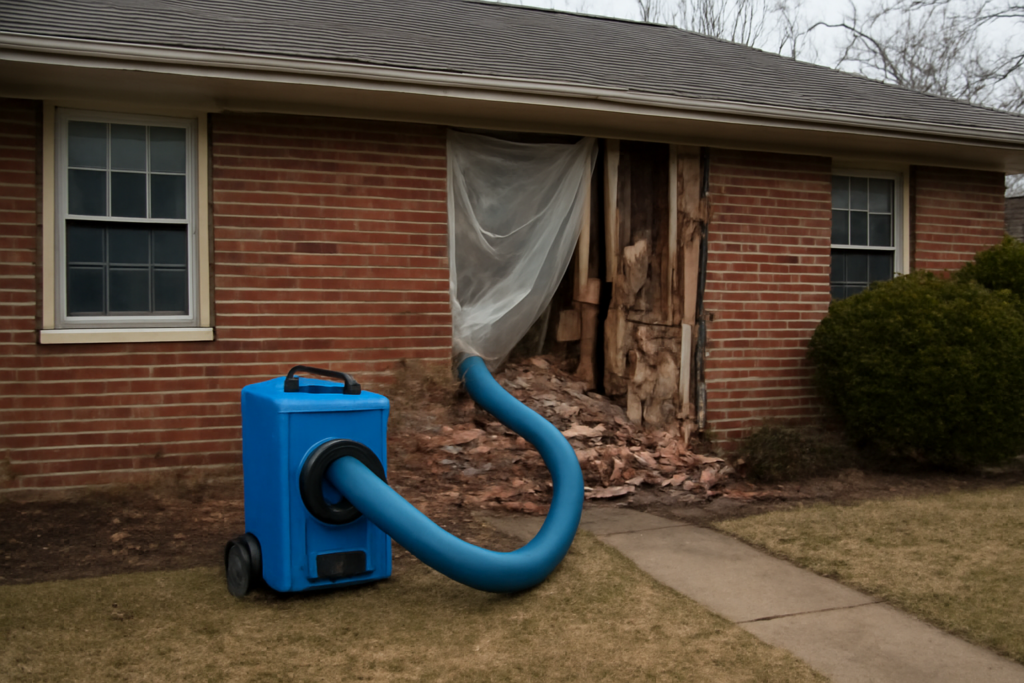
We'll set up our advanced equipment to dry your property quickly and efficiently. This may include dehumidifiers, air movers, and temperature control units. Our technicians will carefully position the equipment to increase airflow and reduce energy consumption.
Step 3: Monitoring and Adjustments
Our team will continuously monitor the drying process, making adjustments as needed to ensure best results. We'll use specialized equipment to track temperature, humidity, and moisture levels to ensure your property is drying evenly and efficiently.
Step 4: Final Inspection and Clean-up
Once the drying process is complete, our team will conduct a final inspection to ensure your property is restored to its original condition. We'll remove any equipment, clean up the affected area, and provide you with a comprehensive report of the work done.
Don't wait until it's too late, act quickly to prevent secondary damage and costly repairs. Our team is here to help you navigate the complex process of Temperature-Controlled Drying and ensure your property is restored to its original condition.
Warning Signs You Need Temperature-Controlled Drying
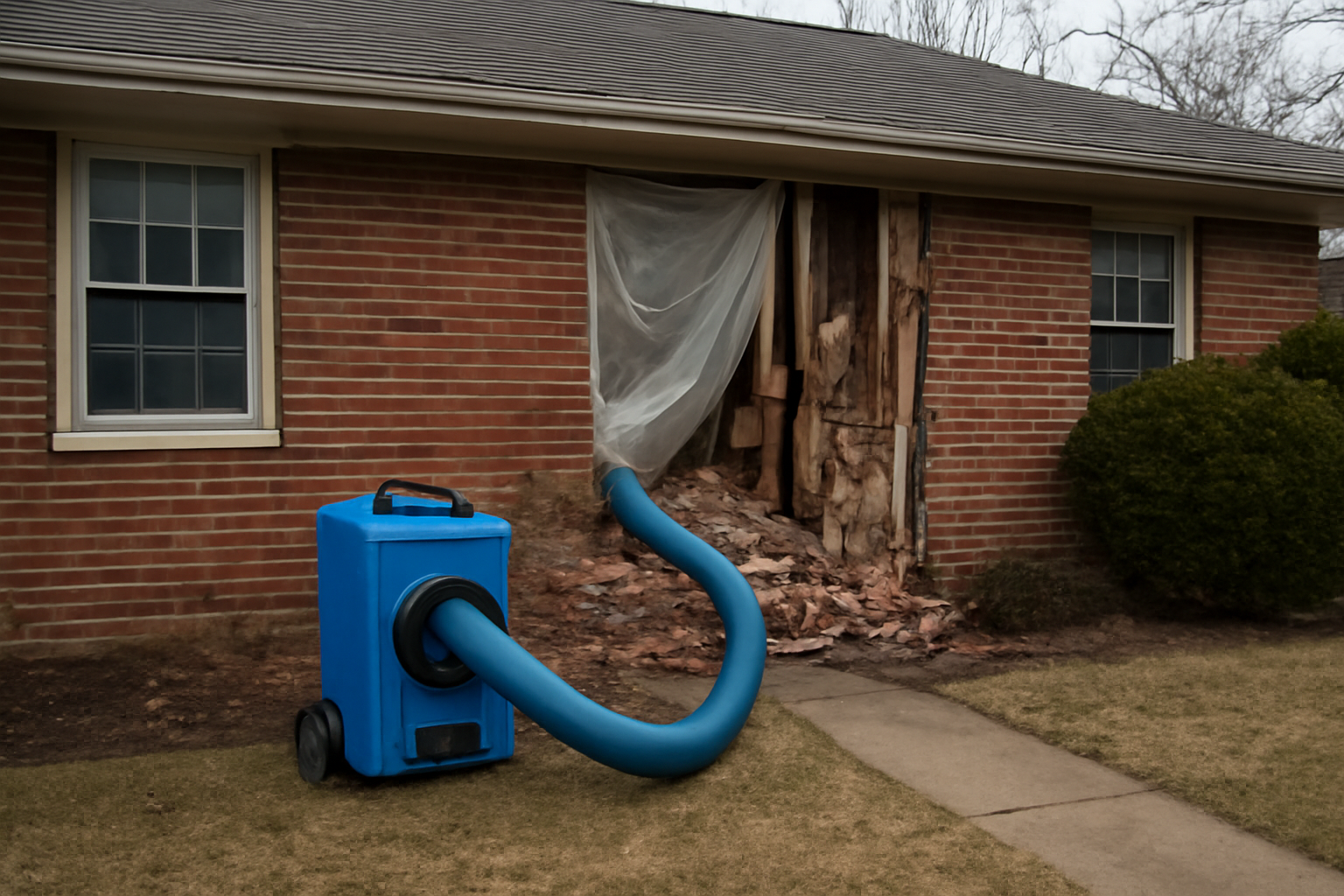
Ignoring warning signs can lead to costly secondary damage and even safety hazards. Our team has identified the following warning signs that show you need Temperature-Controlled Drying:
Musty Odors That Won't Go Away
Strong, persistent odors can be a sign of mold or mildew growth. If you notice musty smells in your home, it's essential to investigate the source and take action quickly to prevent further damage.
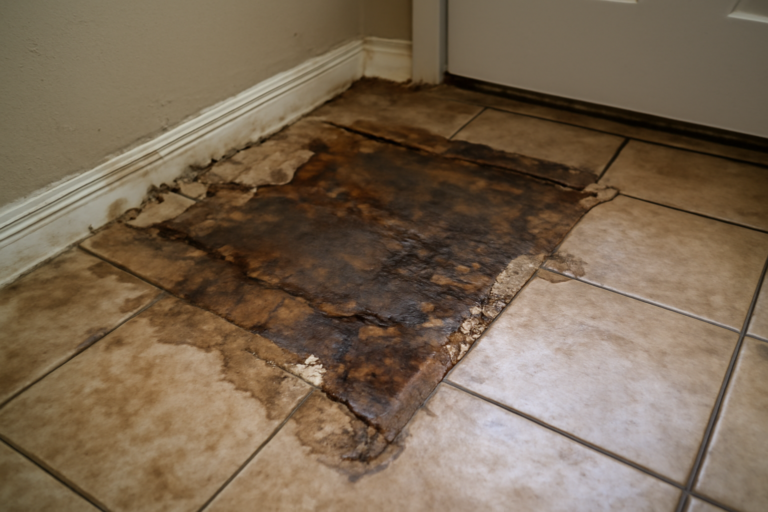
Warped or Buckled Flooring
Warped or buckled flooring can be a sign of water damage. If you notice any changes in your flooring, it's essential to address the issue quickly to prevent further damage.
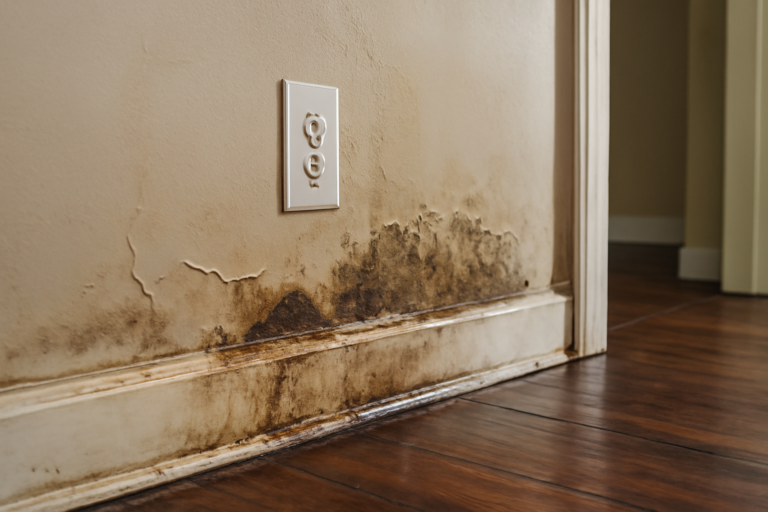
Discoloration or Stains
Discoloration or stains on walls, ceilings, or floors can be a sign of water damage. If you notice any discoloration, it's essential to investigate the source and take action quickly to prevent further damage.
Water Stains or Mineral Deposits
Water stains or mineral deposits on walls, ceilings, or floors can be a sign of water damage. If you notice any water stains or mineral deposits, it's essential to investigate the source and take action quickly to prevent further damage.
Unusual Sounds or Creaks
Unusual sounds or creaks in your home can be a sign of water damage. If you notice any unusual sounds or creaks, it's essential to investigate the source and take action quickly to prevent further damage.
Temperature-Controlled Drying vs. DIY: When To Call a Professional
| Situation | DIY? | Call a Pro? | Why |
|---|---|---|---|
| Small water leak in a contained area | Yes | No | You can handle small leaks with DIY methods, but be sure to act quickly to prevent further damage. |
| Large water leak in a critical area (e.g., electrical room) | No | Yes | Large water leaks in critical areas need professional attention to prevent electrical shocks or other safety hazards. |
| Water damage with visible mold or mildew | No | Yes | Visible mold or mildew needs professional attention to prevent further damage and ensure your health and safety. |
| Water damage with significant structural damage | No | Yes | Significant structural damage needs professional attention to prevent further damage and ensure your safety. |
| Water damage with high levels of standing water | No | Yes | High levels of standing water need professional attention to prevent further damage and ensure your safety. |
With Temperature-Controlled Drying, it's essential to act quickly to prevent secondary damage and costly repairs. If you're unsure about the severity of the damage or the best course of action to take, it's always best to err on the side of caution and call a professional.
Temperature-Controlled Drying Cost in Greer, SC
The cost of Temperature-Controlled Drying can vary widely depending on the severity of the damage, the size of the affected area, and local conditions. As a general estimate, the cost can range from $500 to $2,500 or more. Factors that can drive up the cost include the size of the affected area, the type of equipment needed, and the duration of the drying process.
| Service | Typical Price Range | What Affects Cost |
|---|---|---|
| Initial Assessment and Planning | $100 - $500 | Size of affected area and type of equipment needed |
| Equipment Setup and Monitoring | $500 - $2,000 | Duration of drying process and equipment usage |
| Final Inspection and Clean-up | $200 - $1,000 | Size of affected area and level of damage |
| More Services (e.g., mold remediation) | $500 - $2,500 | Type of service and level of damage |
Exact pricing will depend on an on-site assessment and evaluation of your specific situation. We offer free estimates and are happy to discuss your options in more detail.
Service Areas Near Greer, SC
We serve the following nearby communities: Travelers Rest, Simpsonville, Mauldin, Fountain Inn, Five Forks, Greer, Taylors, Duncan, Wellford, Lyman.
Common Questions About Temperature-Controlled Drying
Q: What is Temperature-Controlled Drying?
A: Temperature-Controlled Drying is a specialized process used to dry your property quickly and efficiently after a water damage event. Our team uses advanced equipment to monitor temperature, humidity, and moisture levels to ensure best results.
Q: Why is Temperature-Controlled Drying important?
A: Temperature-Controlled Drying is essential to prevent secondary damage from mold, mildew, and warping. It also helps to reduce repair costs and ensure your property is restored to its original condition.
Q: How long does Temperature-Controlled Drying take?
A: The duration of Temperature-Controlled Drying can vary depending on the severity of the damage and the size of the affected area. On average, it can take anywhere from 3-5 days to complete.
Q: Is Temperature-Controlled Drying covered by insurance?
A: Yes, Temperature-Controlled Drying is typically covered by insurance. But, it's essential to review your policy and work with your insurance company to ensure you get the coverage you deserve.
Q: Can I DIY Temperature-Controlled Drying?
A: No, it's not recommended to DIY Temperature-Controlled Drying. This process needs specialized equipment and expertise to ensure best results and prevent further damage.
Check Our Other Relevant Services
Serving Greer, SC And Nearby Areas