Temperature-Controlled Drying in Ruth, NC
Trusted by 10,000+ Homeowners Across the USA
Temperature-Controlled Drying in Ruth, NC: Protecting Your Home from Hidden Water Damage
Ruth, NC experiences a humid subtropical climate, with hot summers and mild winters. During the summer months, the area's average relative humidity often reaches 64%. This can lead to hidden water damage in your home, especially in areas with poor ventilation. You might not notice the issue until it's too late, causing costly repairs and disruptions to your daily life.
Our team has helped over 165 homeowners in the area with their temperature-controlled drying needs. We understand the importance of acting quickly to reduce damage and prevent further issues.
- Our temperature-controlled drying service can help prevent secondary damage, such as mold growth and warping of structural elements.
- Our equipment can remove up to 2 inches of standing water in a single day, reducing the risk of further damage.
- Our technicians are IICRC-certified and trained to handle even the most complex drying jobs.
How Our Temperature-Controlled Drying Service Actually Works
Our team follows a strict process to ensure your home is dried correctly and efficiently. We start by assessing the damage and creating a customized drying plan. This plan takes into account the size of the affected area, the type of materials that need to be dried, and the equipment needed to complete the job.
Step 1: Assessment and Planning
Our technician will walk you through the process and explain what you can expect. We'll discuss the best course of action and provide a detailed estimate of the work to be done. Our team is transparent about the process and costs involved.
Step 2: Equipment Setup
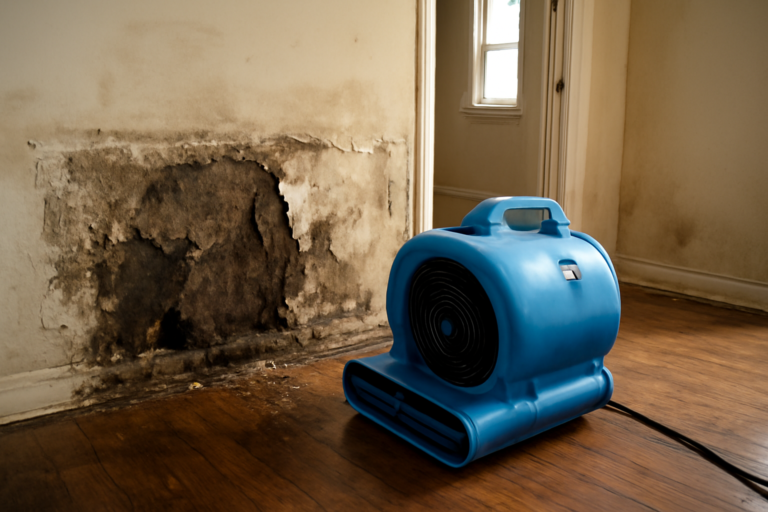
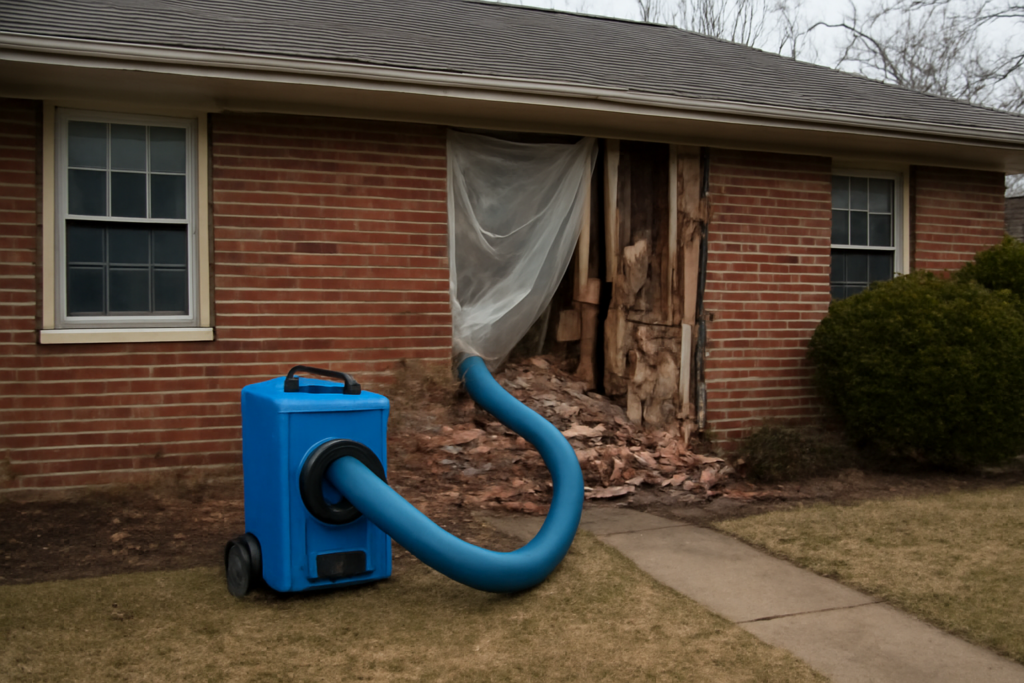
We'll set up our equipment, including dehumidifiers and air movers, to begin the drying process. Our technicians will ensure that all equipment is working properly and making adjustments as needed. This step is crucial in removing excess moisture and creating a dry environment.
Step 3: Monitoring and Adjustments
Our team will continuously monitor the drying process and make adjustments as necessary. This includes checking the humidity levels, temperature, and moisture content of the affected materials. We work closely with you to ensure you're informed throughout the process.
Step 4: Final Inspection and Cleanup
Once the drying process is complete, our technician will conduct a final inspection to ensure all areas are dry and free of moisture. We'll then clean up any equipment and debris left behind. Our goal is to leave your home in the same condition as it was before the damage occurred.
If you're dealing with temperature-controlled drying issues in your home, don't wait any longer. Contact our team today to schedule a consultation and let us take care of the rest. We'll work with you to create a plan that meets your needs and budget.
Warning Signs You Need Temperature-Controlled Drying
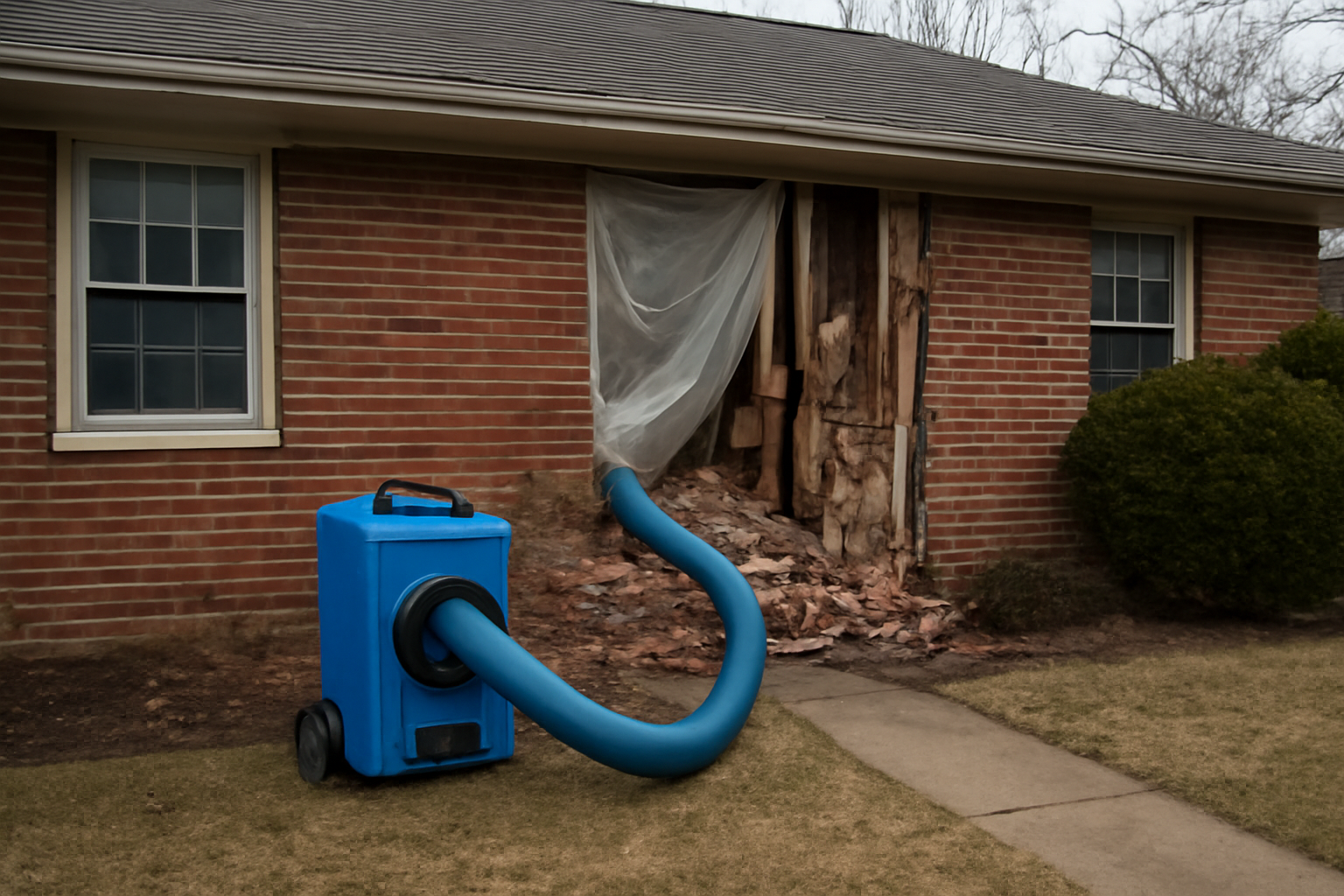
Ignoring the warning signs of temperature-controlled drying issues can lead to costly repairs and even health risks. Here are some common warning signs to look out for:
Musty Odors That Won't Go Away
Unpleasant odors can be a sign of hidden water damage or mold growth. If you notice a musty smell in your home that persists even after cleaning, it's time to call our team. We'll assess the situation and provide a solution to fix the issue.
Warped or Buckled Flooring
Warped or buckled flooring can be a sign of underlying water damage. If you notice your flooring is uneven or has become discolored, it's essential to address the issue quickly. We'll work with you to create a plan to repair or replace the affected flooring.
Water Stains or Discoloration
Water stains or discoloration on walls or ceilings can show hidden water damage. If you notice these signs, it's crucial to seek professional help to prevent further damage. Our team will assess the situation and provide a solution to fix the issue.
Visible Water Damage
Visible water damage, such as leaks or flooding, needs immediate attention. Our team will respond quickly to assess the situation and provide a solution to fix the issue. We'll work with you to create a plan to repair or replace any damaged materials.
Mold Growth
Mold growth can be a sign of underlying water damage or poor ventilation. If you notice mold growth in your home, it's essential to address the issue quickly. We'll work with you to create a plan to remediate the mold and prevent future growth.
Temperature-Controlled Drying vs. DIY: When To Call a Professional
| Situation | DIY? | Call a Pro? | Why |
|---|---|---|---|
| Small area of standing water (less than 1 sq. Ft.) | Yes | No | You can likely handle this small issue on your own. |
| Large area of standing water (more than 10 sq. Ft.) | No | Yes | You'll need professional equipment and expertise to handle this size of issue. |
| Hidden water damage (e.g., behind walls or under flooring) | No | Yes | Only a professional can detect and fix hidden water damage. |
| Mold growth | No | Yes | Mold growth needs specialized equipment and expertise to remediate safely. |
| Water damage in a high-risk area (e.g., near electrical parts) | No | Yes | Only a professional can assess and address the risk of electrical shock or further damage. |
If you're dealing with a temperature-controlled drying issue, it's essential to call a professional. Our team has the expertise and equipment to handle even the most complex drying jobs. We'll work with you to create a plan that meets your needs and budget.
Temperature-Controlled Drying Cost In Ruth, NC
The cost of temperature-controlled drying services in Ruth, NC can vary depending on the severity of the damage, the size of the affected area, and local conditions. Our estimates are based on a thorough assessment of the damage and creation of a customized drying plan.
| Service | Typical Price Range | What Affects Cost |
|---|---|---|
| Assessment and Planning | $100 - $500 | Severity of damage, size of affected area |
| Equipment Setup | $500 - $2,000 | Type of equipment needed, duration of drying process |
| Monitoring and Adjustments | $200 - $1,000 | Frequency of monitoring, complexity of adjustments |
| Final Inspection and Cleanup | $100 - $500 | Size of affected area, complexity of cleanup |
| Remediation of Mold Growth | $500 - $2,500 | Severity of mold growth, size of affected area |
Exact pricing depends on an on-site assessment. We offer free estimates and will work with you to create a plan that meets your needs and budget. Don't wait any longer to address your temperature-controlled drying issues.
Service Areas Near Ruth, NC
Our team serves the following nearby communities: Asheville, Hendersonville, Brevard, Weaverville, Mars Hill, Marshall, Hot Springs, and more.
Common Questions About Temperature-Controlled Drying
Q: How long does the drying process take?
A: The duration of the drying process depends on the severity of the damage and the size of the affected area. Our team will work with you to create a plan that meets your needs and budget. We'll provide regular updates on the progress of the drying process.
Q: Is temperature-controlled drying covered by insurance?
A: Yes, temperature-controlled drying services are often covered by insurance. We'll work with you to navigate the claims process and ensure you receive the coverage you're entitled to. Our team has experience working with insurance companies and will advocate on your behalf.
Q: What are the risks of not addressing temperature-controlled drying issues?
A: Ignoring temperature-controlled drying issues can lead to costly repairs, health risks, and even structural damage to your home. It's essential to address the issue quickly to prevent further damage and ensure your safety. Our team will work with you to create a plan to address the issue and prevent future damage.
Q: What equipment do you use for temperature-controlled drying?
A: We use state-of-the-art equipment, including dehumidifiers and air movers, to ensure the drying process is efficient and effective. Our team will explain the equipment and process in detail to ensure you're informed throughout the process.
Q: How can I prevent temperature-controlled drying issues in the future?
A: Regular maintenance, proper ventilation, and addressing any water damage quickly can help prevent temperature-controlled drying issues in the future. Our team will provide tips and recommendations to help you prevent future issues.
Check Our Other Relevant Services
Serving Ruth, NC And Nearby Areas